
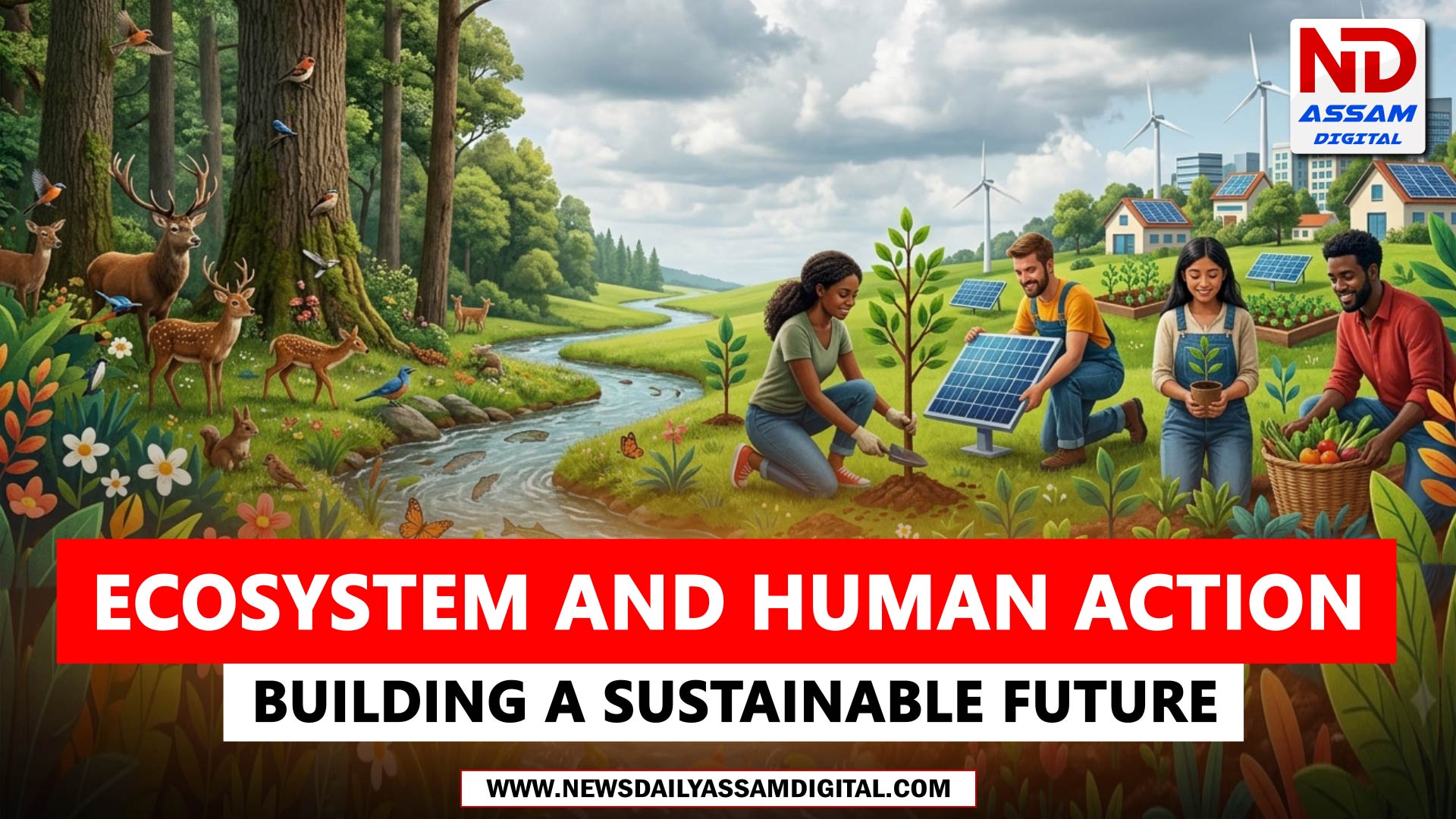

The ecosystem is the foundation of life on Earth. It includes forests, rivers, oceans, mountains, soil, wildlife, plants, microorganisms and human beings, all of which are connected through complex natural relationships. Every living organism depends on its surroundings for food, water, shelter and survival. A healthy ecosystem maintains ecological balance and supports the well-being of both nature and society.
However, human activities have significantly changed the natural environment. Rapid urbanisation, industrialisation, deforestation, mining, excessive use of natural resources and the burning of fossil fuels have increased pressure on ecosystems. Pollution from industries, vehicles, plastic waste and untreated sewage has affected air, water and soil quality. The destruction of forests and natural habitats has also threatened many species and increased human-wildlife conflicts.
Climate change is another major consequence of human activity. Rising greenhouse gas emissions are contributing to increasing temperatures, changing rainfall patterns, extreme weather events and the melting of glaciers. These changes can affect agriculture, water availability, biodiversity and human livelihoods. Communities that depend directly on forests, rivers and agriculture are often among the most vulnerable to environmental changes.
Human action, however, does not have to be destructive. People can become an important part of environmental protection. Sustainable agriculture, renewable energy, responsible consumption, recycling, rainwater harvesting and efficient use of natural resources can reduce pressure on ecosystems. Protecting forests and wetlands, restoring degraded land and conserving wildlife are also essential steps toward maintaining ecological balance.
Individuals can contribute through simple everyday choices. Reducing single-use plastic, saving electricity and water, planting and protecting trees, using public transport when possible, avoiding unnecessary waste and keeping surroundings clean can collectively make a meaningful difference. Environmental awareness and education can encourage communities to adopt more sustainable lifestyles.
Governments, industries and communities also have an important role to play. Strong environmental policies, proper waste management, protection of natural habitats and investment in clean technologies can help create a balance between economic development and environmental conservation. Businesses can reduce their environmental footprint by adopting sustainable production methods and using resources more efficiently.
The relationship between humans and ecosystems is ultimately a relationship of dependence. We cannot separate human well-being from the health of the natural world. Economic growth and development are important, but they must be achieved without destroying the resources that future generations will need.
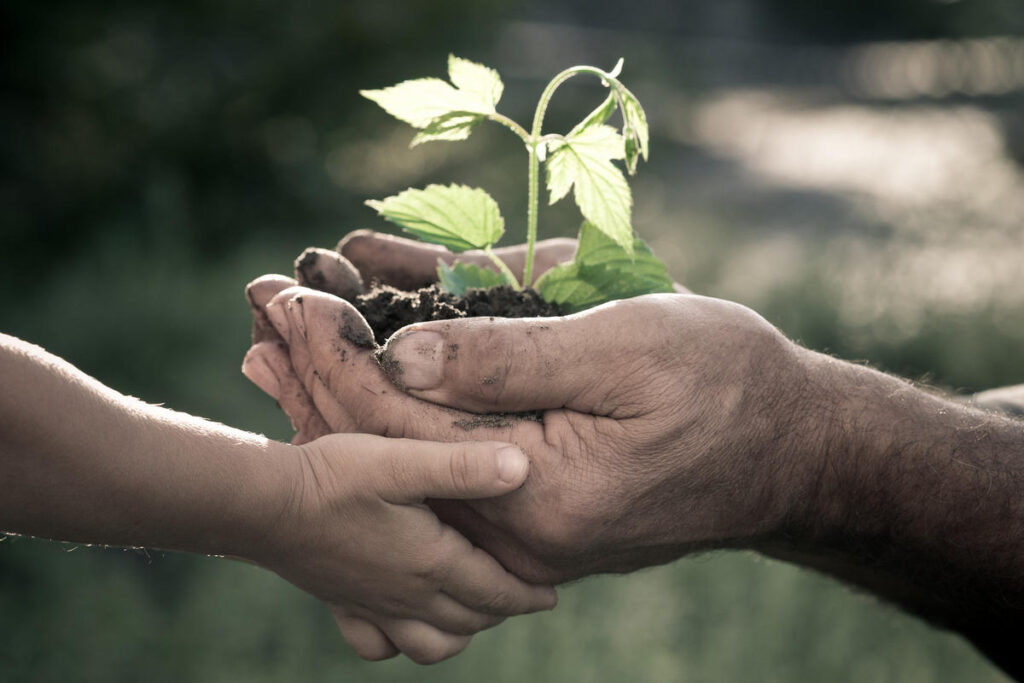
Protecting the ecosystem is therefore not simply an environmental responsibility it is a shared responsibility. By making informed choices and taking collective action, humanity can protect biodiversity, reduce environmental damage and build a healthier and more sustainable future. The choices we make today will shape the planet we leave behind tomorrow.
